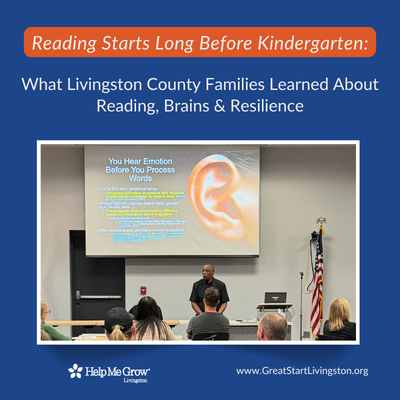
Reading Starts Long Before Kindergarten: What Livingston County Families Learned About Reading, Brains & Resilience
Reading starts long before kindergarten.
Parents and caregivers have countless opportunities to build the foundation for literacy during ordinary moments. Read together. Talk. Play with sounds and words. Draw and write. Use expression. Let children see you reading and writing. Make stories something you experience together.
5 Things Families Can Try at Home Tonight
One of our favorite parts of the workshop was how practical the learning became. Families didn’t leave with a message that they needed expensive programs or complicated activities. Horacio demonstrated things parents and caregivers can weave into everyday life.
1. Read it like you mean it
How you read a story can change the experience.
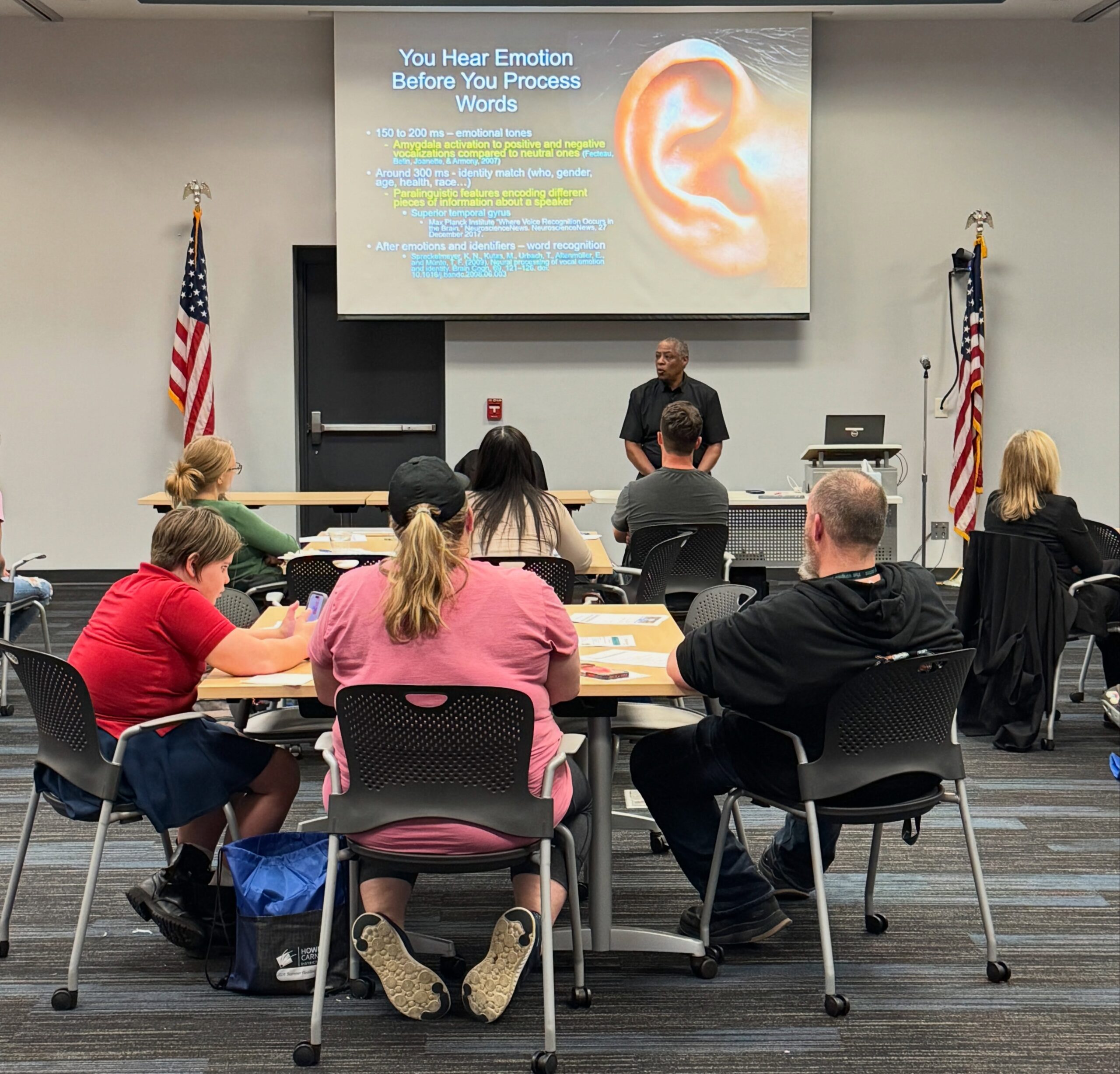
During the workshop, Horacio demonstrated the difference between simply saying the words on a page and bringing a story to life with your voice, facial expressions and emotion.
If there’s a lion, roar. If a character whispers, whisper. If something exciting happens, let your voice sound excited. Pause. React. Laugh. Wonder together.
His message connected back to something families had learned earlier in the evening: emotion helps give language meaning.
One parent captured the takeaway on the workshop evaluation in five simple words:
“Keep reading with emotion.”
2. Play with words
Reading practice doesn’t always have to look like reading practice.
Horacio demonstrated simple word games families can play together. What words rhyme? What words sound alike? What happens if you change the beginning sound? Do two words have some of the same letters? Can you move parts of a word around?
These kinds of playful conversations help children pay attention to sounds, letters and patterns in words.
Try it:
Start with a simple word your child knows. Ask, “What rhymes with cat?” or “What happens if we change the /c/ sound in cat to /m/?”
3. Clap out syllables
Long words can feel much easier when children learn that they can break them into smaller parts.
During the workshop, families practiced breaking words into syllables and exaggerating each part of the word. Horacio used dinosaur as one example.
Try clapping the beats in names, favorite foods, animals or things you see around the house. You’re helping your child listen closely to the sounds inside words while also giving them a strategy for approaching words that feel difficult.
4. Let little writers write
Early writing doesn’t begin with perfect letters.
It can begin with scribbling, drawing, coloring and experimenting with shapes and writing tools. Horacio encouraged families to recognize those early attempts as part of development and to give children opportunities to keep practicing.
That means the page covered in scribbles isn’t necessarily a mess to correct. It can be a child learning that their hands can make marks and that those marks can eventually carry meaning.
Celebrate the effort. Put some of that early artwork on the refrigerator. Give children opportunities to draw, color and write.
5. Let your child see you write, too
Children learn from what the adults around them do.
Horacio encouraged parents to let children see writing as something adults actually use. Write a note. Make a list. Write something together. Let your child watch you put words on paper.
The goal isn’t to recreate school at the kitchen table. It’s to make reading, writing and language a visible, useful and enjoyable part of family life.
“Reading every day to your infant and young child is so important.”
— Parent workshop evaluation
Keep the Learning Going at Home
The workshop may be over, but the learning doesn’t have to stop.
Michigan’s Department of Lifelong Education, Advancement, and Potential (MiLEAP) provides Family Engagement for Literacy resources designed to help families and educators connect children’s literacy learning with opportunities to read, talk and write at home.
The resources include information for families of children in Prekindergarten through third grade and offer another place to find practical ideas for supporting literacy outside of school.
Michigan Literacy Resources for Families
Looking for more ways to support reading and literacy at home? Visit MiLEAP’s Family Engagement for Literacy resources for families and educators.
From Learning About Reading to Reading at Home
We wanted families to leave with more than information. We wanted them to have resources they could use with their children right away.
Every participating family went home with four children’s books.
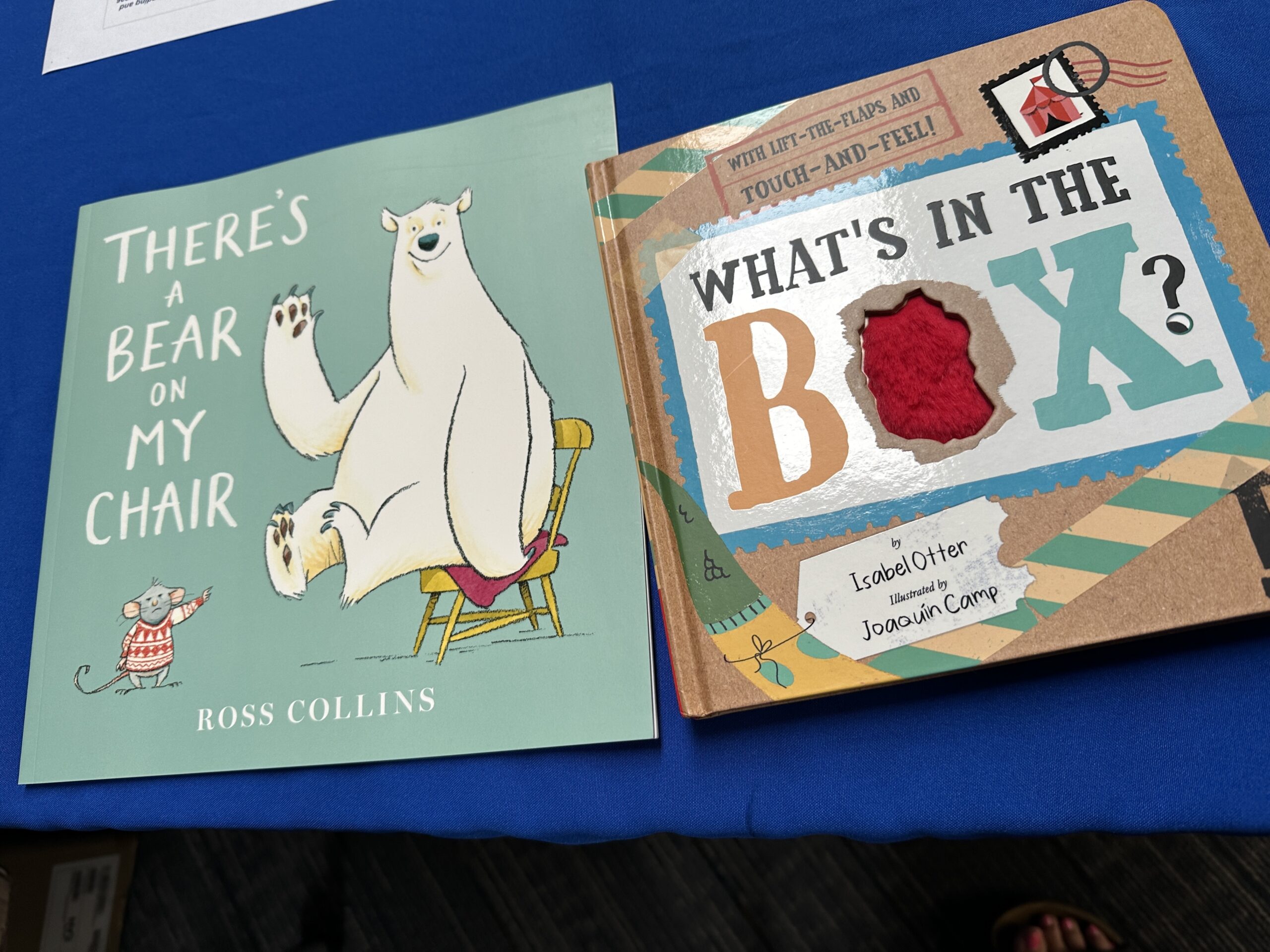
A book that became part of the lesson
The book connected to Horacio’s presentation wasn’t simply a giveaway.
Near the end of the workshop, Horacio selected pages from the book and invited volunteers to read them aloud the way they might read them to a child. Participants experimented with expression, volume, character voices and emotion.
It brought the lesson full circle: families learned about the relationship between emotion, meaning and reading — practiced it together — and then took the book home to continue reading with their children.
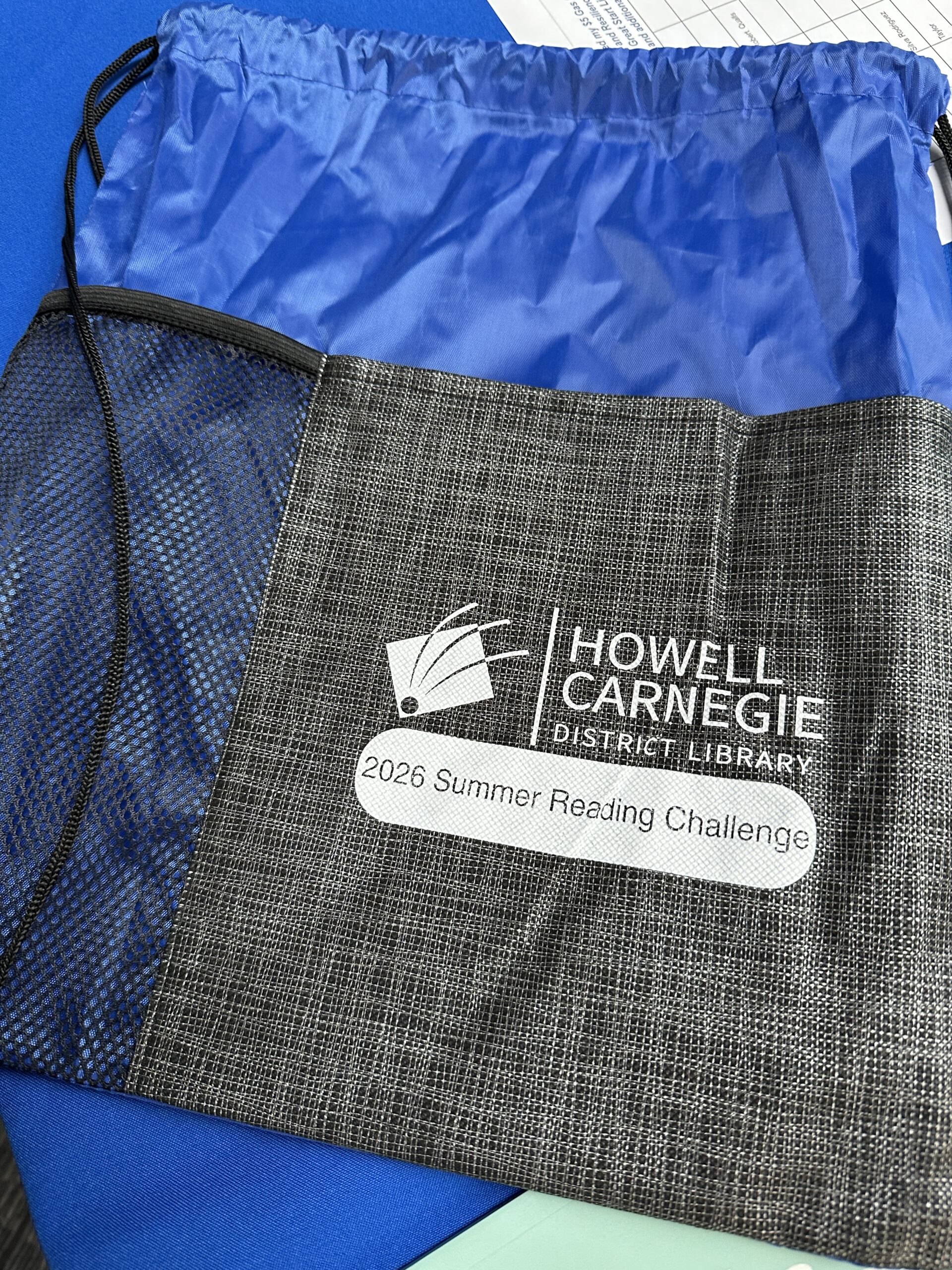
A book and bag from Howell Carnegie District Library
Howell Carnegie District Library generously donated a children’s book for every participating family, along with a library bag to take home.
And families chose two more
Families also visited our book tables and selected two additional books to bring home.
That choice mattered. Instead of every family receiving exactly the same collection, parents and caregivers could choose books based on their own children’s ages, interests and personalities.
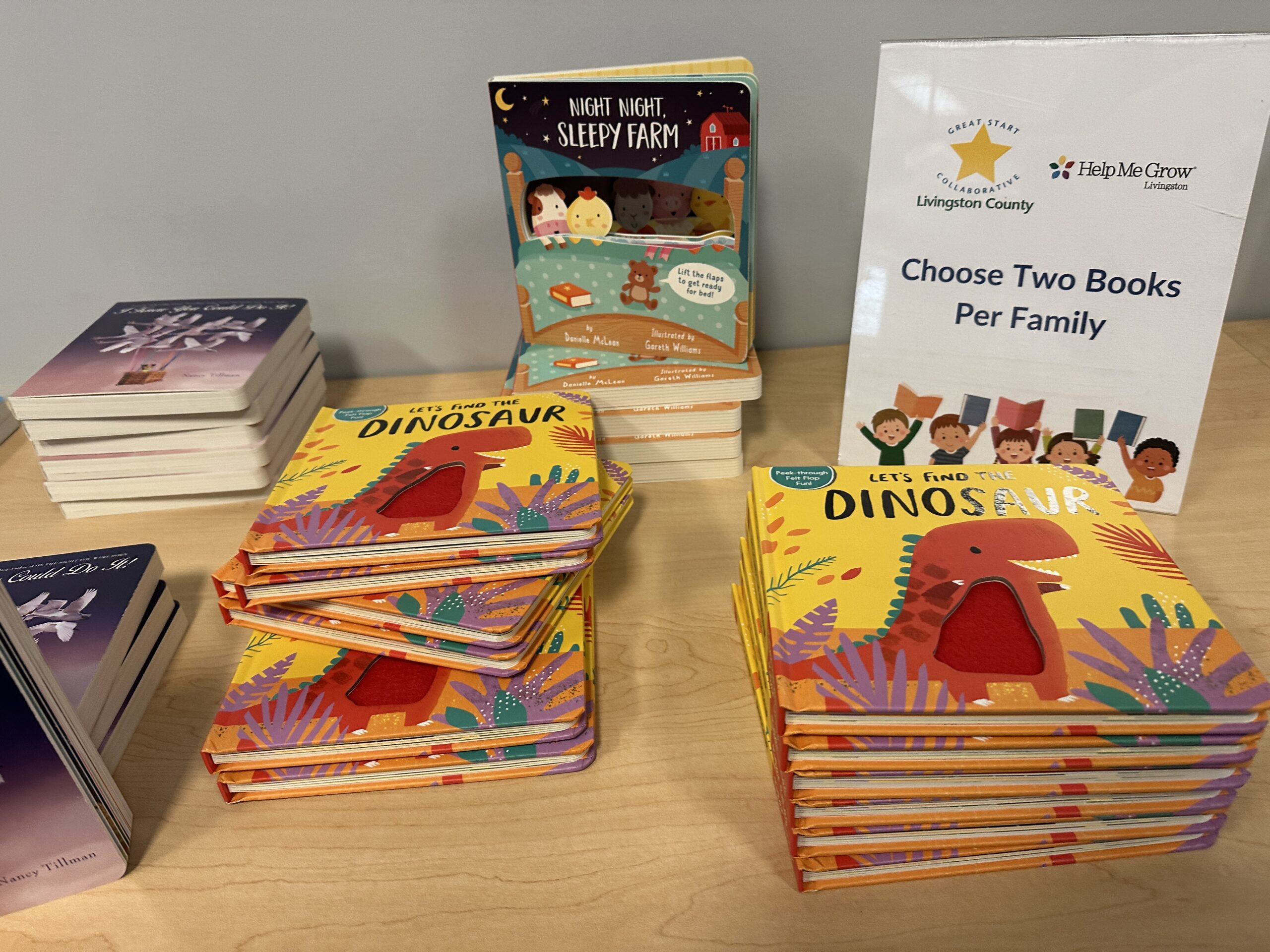
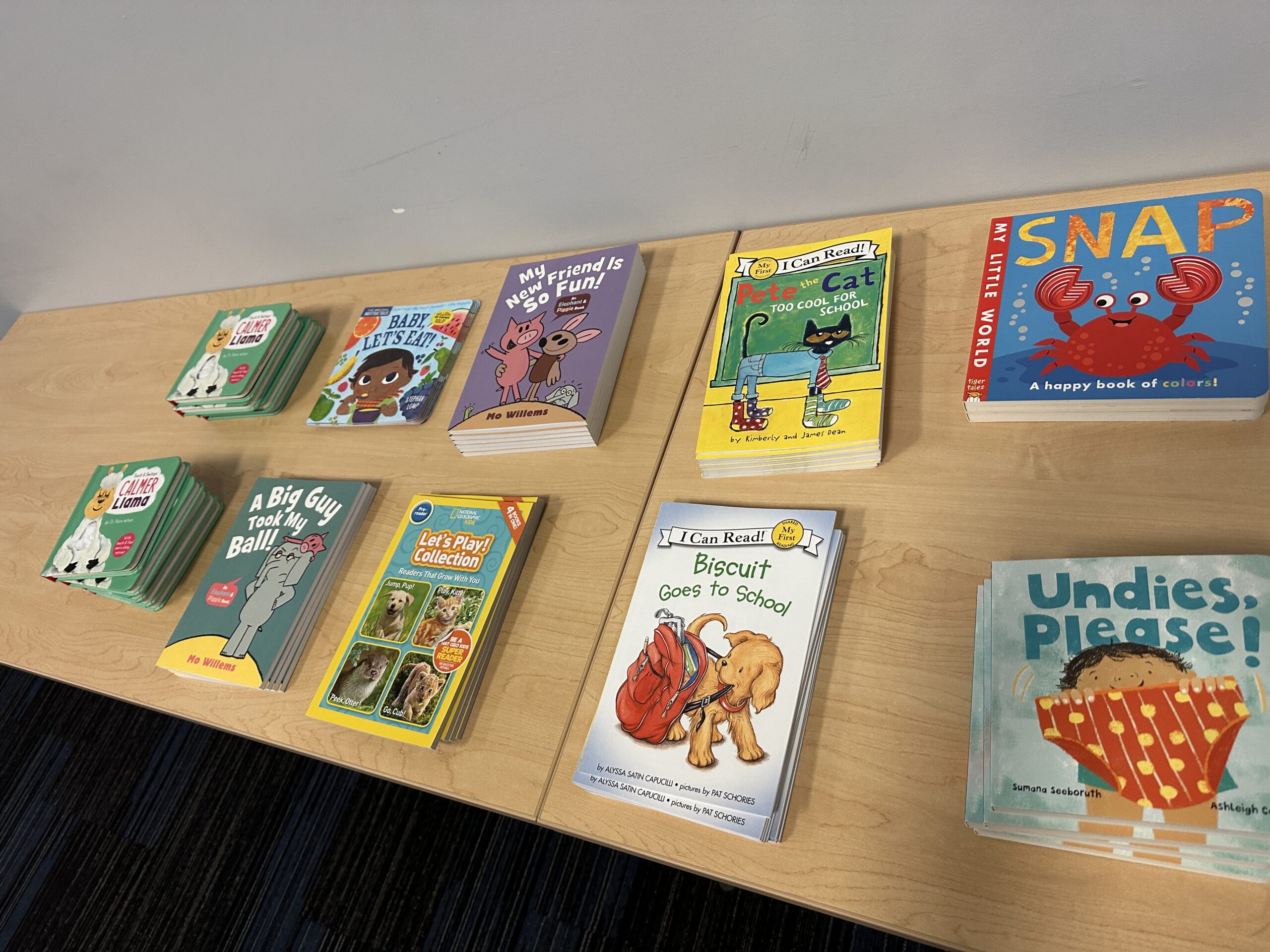
Families chose two additional children’s books to take home and enjoy together.
LEARN TOGETHER
→
CHOOSE BOOKS
→
READ & INTERACT
→
BUILD EARLY LITERACY
What Families Told Us
We didn’t want to measure the success of the evening simply by whether families showed up. We wanted to know whether the workshop was useful, whether families learned something and whether they left with ideas they could actually use.
100% of evaluation respondents gave the workshop the highest overall satisfaction rating.
100% also gave the highest rating when asked whether they better understand how early experiences and interactions affect children’s brains, learning and resilience.
Families shared takeaways including:
“Best workshop I ever attended!”
“Instructor was incredible. Learned a lot and look forward to trying his techniques.”
“I liked the practical tips about rearranging words and clapping out syllables.”
“The importance of being interactive with your child.”
“Loved it. More people need to know this information.”
And one participant captured the wonder of learning to read in just four words:
“Reading is a miracle!”
What Does Family Engagement Funding Look Like in Livingston County?
There is another important part of this story.
This workshop was supported through MiFamily family engagement funding, and we believe families, partners and our community should be able to see what that investment looks like locally.
Family engagement isn’t simply inviting parents to an event.
Michigan’s MiFamily Engagement Framework describes family engagement as a collaborative relationship among families, educators, providers and partners to support and improve children’s learning, development and health.
The framework calls for family engagement to be purposeful and intentional, connected to learning outcomes, and designed to help families build skills they can reinforce at home. It also encourages programs to identify barriers that make participation difficult and work to remove them.
The goal wasn’t simply to fill a room.
We wanted parents and caregivers to be able to get to the room, focus once they were there, learn something meaningful, and leave equipped to continue the learning at home.
That meant investing both in learning and in removing barriers to participation.
We invested in high-quality parent learning
The presentation gave families information and practical strategies connected to literacy, brain development and resilience — knowledge they could take home and use with their children.
We provided dinner
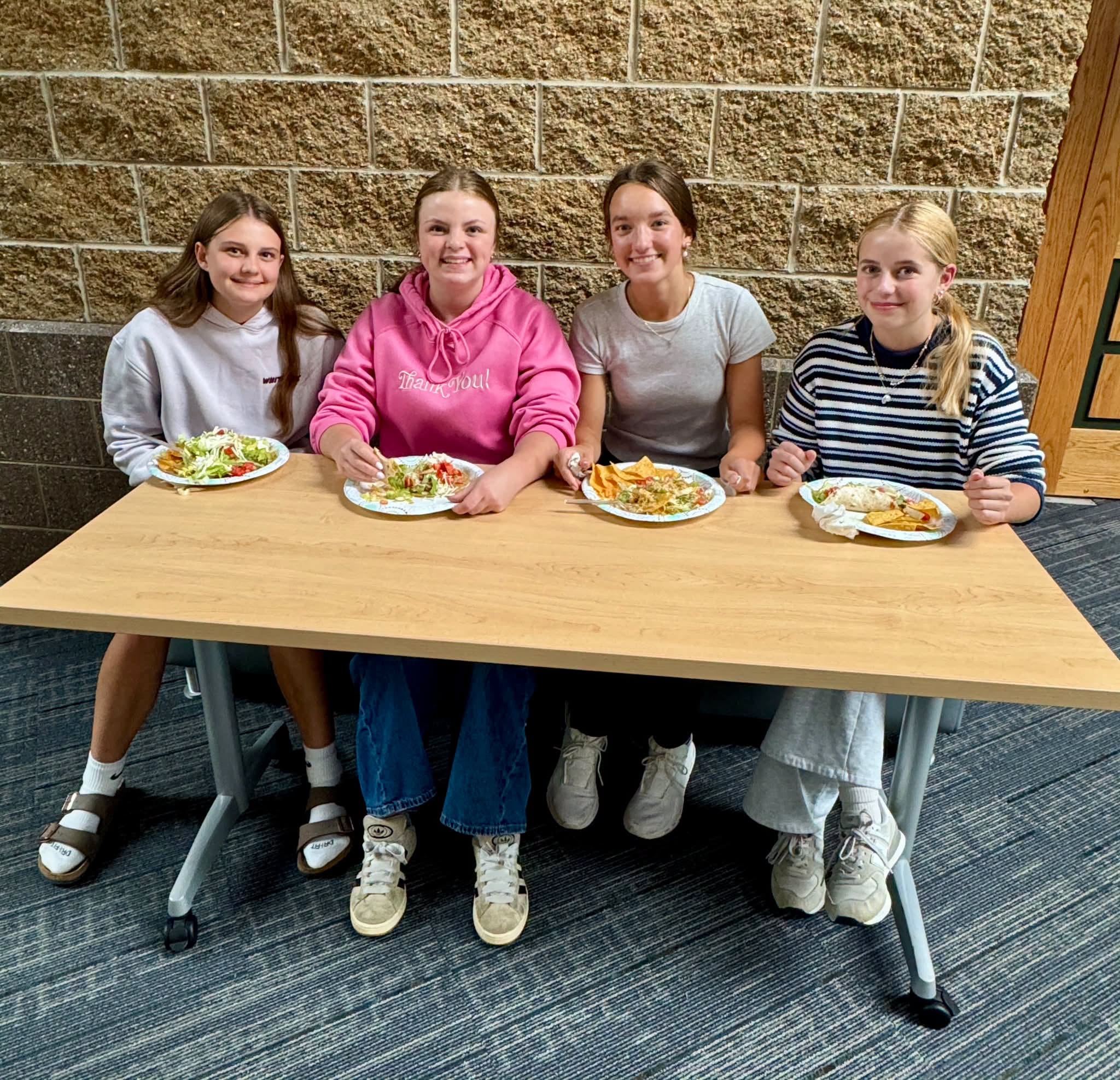
The workshop began in the early evening, right around dinnertime for many families. Adults enjoyed a taco and nacho bar from local restaurant La Finca, while children participating in childcare had their own dinner.
Providing a meal meant families didn’t have to get through work, school and childcare pickup and then choose between getting dinner on the table or getting to the workshop.
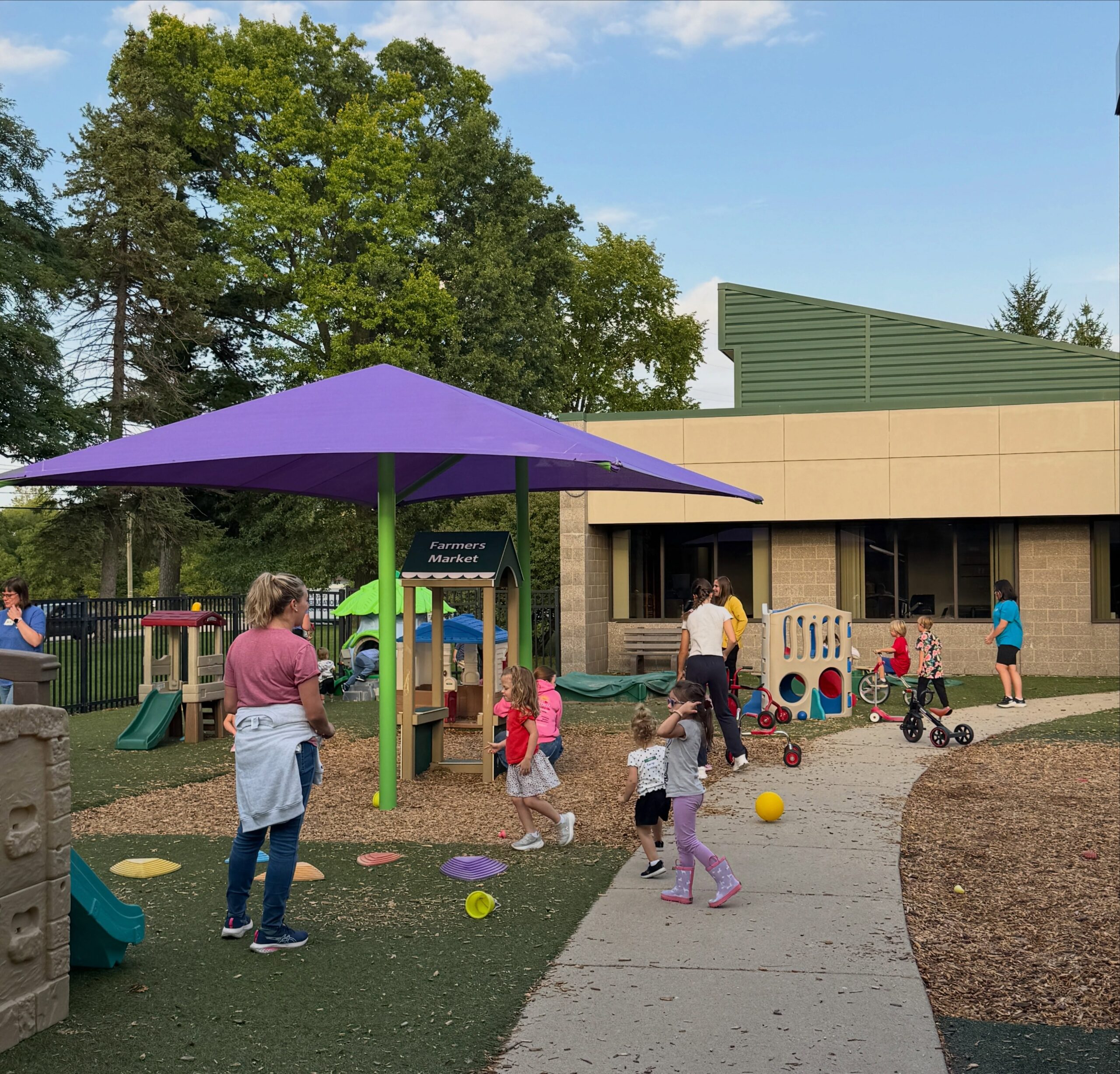
We provided free childcare
For parents and caregivers of young children, childcare can determine whether attending an evening workshop is possible at all.
Our childcare team helped create space for adults to focus on learning while their children were cared for nearby.
And while parents learned inside, their children got to spend part of the evening doing something important for them, too: playing.
We helped with transportation costs
Each participating family received a gas gift card. Livingston County covers a large geographic area, and transportation costs can be another barrier to participating in an in-person learning opportunity.
We put books directly into children’s homes
Every participating family left with four children’s books: one connected directly to the evening’s learning, one donated by Howell Carnegie District Library, and two additional books selected by the family.
Families didn’t just hear that reading together matters. They went home with books they could use to do it.
Community partners helped us do even more
Not everything families received was purchased with grant funding. Community partners also contributed to the evening and helped extend its impact.
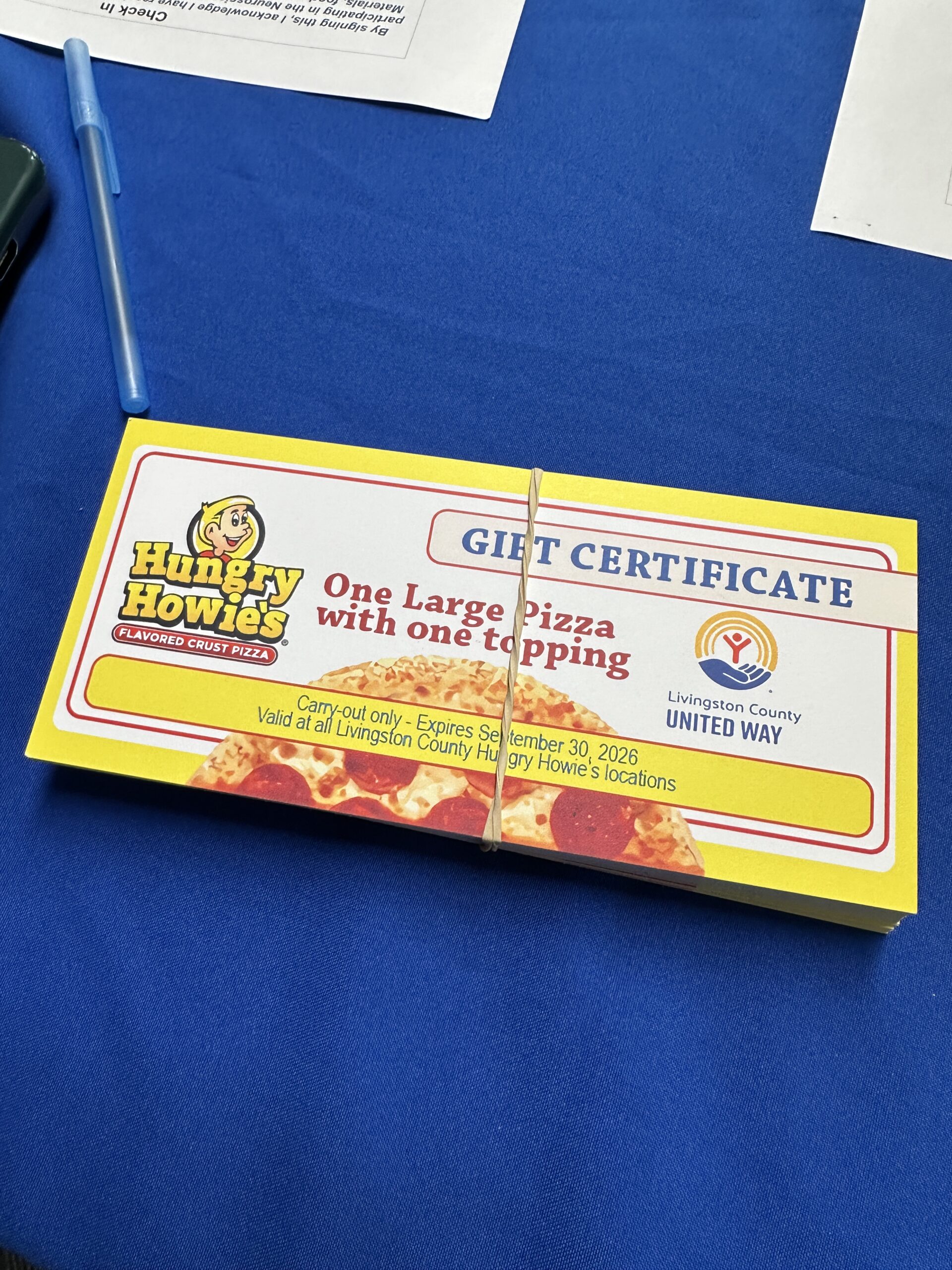
Livingston County United Way and Hungry Howie’s partnered to provide every participating family with a certificate for a free large pizza.
Did Removing Those Barriers Actually Matter?
We didn’t want to assume. We asked families.
When evaluation respondents identified what helped make it possible for them to attend:
- 81% identified the workshop being free.
- 65% identified the free dinner.
- 62% identified the evening timing.
- 54% identified free childcare.
- 54% identified the location.
- 42% identified the gas gift card.
That’s family engagement, too.
Dinner, childcare and transportation assistance weren’t separate from the educational purpose of the evening. They helped make the educational opportunity accessible.
Sometimes removing a barrier is what makes learning possible for a family.
From Investment to Impact
REMOVE BARRIERS
→
EQUIP PARENTS
→
PUT BOOKS IN HOMES
→
PRACTICE AT HOME
→
SUPPORT EARLY LITERACY
Dinner and childcare helped parents participate. Gas cards helped reduce transportation barriers. High-quality instruction equipped parents with knowledge and practical strategies. Books gave families resources they could immediately use at home. Community partnerships extended the support even further.
How This Connects to Michigan’s MiFamily Engagement Work
This workshop is one local example of a larger approach to family engagement across Michigan: moving beyond isolated events and toward meaningful partnerships connected to children’s learning and development.
Michigan’s MiFamily Engagement Framework identifies five principles for this work:
- Relationships are the cornerstone of family engagement.
- Families are engaged and supported partners in their child’s education.
- Family engagement is purposeful, intentional and connected to learner outcomes.
- Family engagement is tailored to address all families so all learners can be successful.
- Positive learning environments contribute to family engagement and learning.
Michigan’s MiFamily Engagement Centers provide regional systems of support to strengthen family engagement. The statewide initiative grew from earlier Early Literacy Support Network Hubs, and literacy continues to be an important focus.
Michigan’s statewide MiFamily Engagement Centers Annual Report describes literacy-focused family engagement as helping extend literacy learning “from the classroom into the living room.”
That’s a pretty good description of what we hoped to accomplish with this workshop.
Family Engagement Takes People, Too
Family engagement doesn’t happen without people willing to welcome families, answer questions, solve problems and take care of all the little details that make an evening like this work.
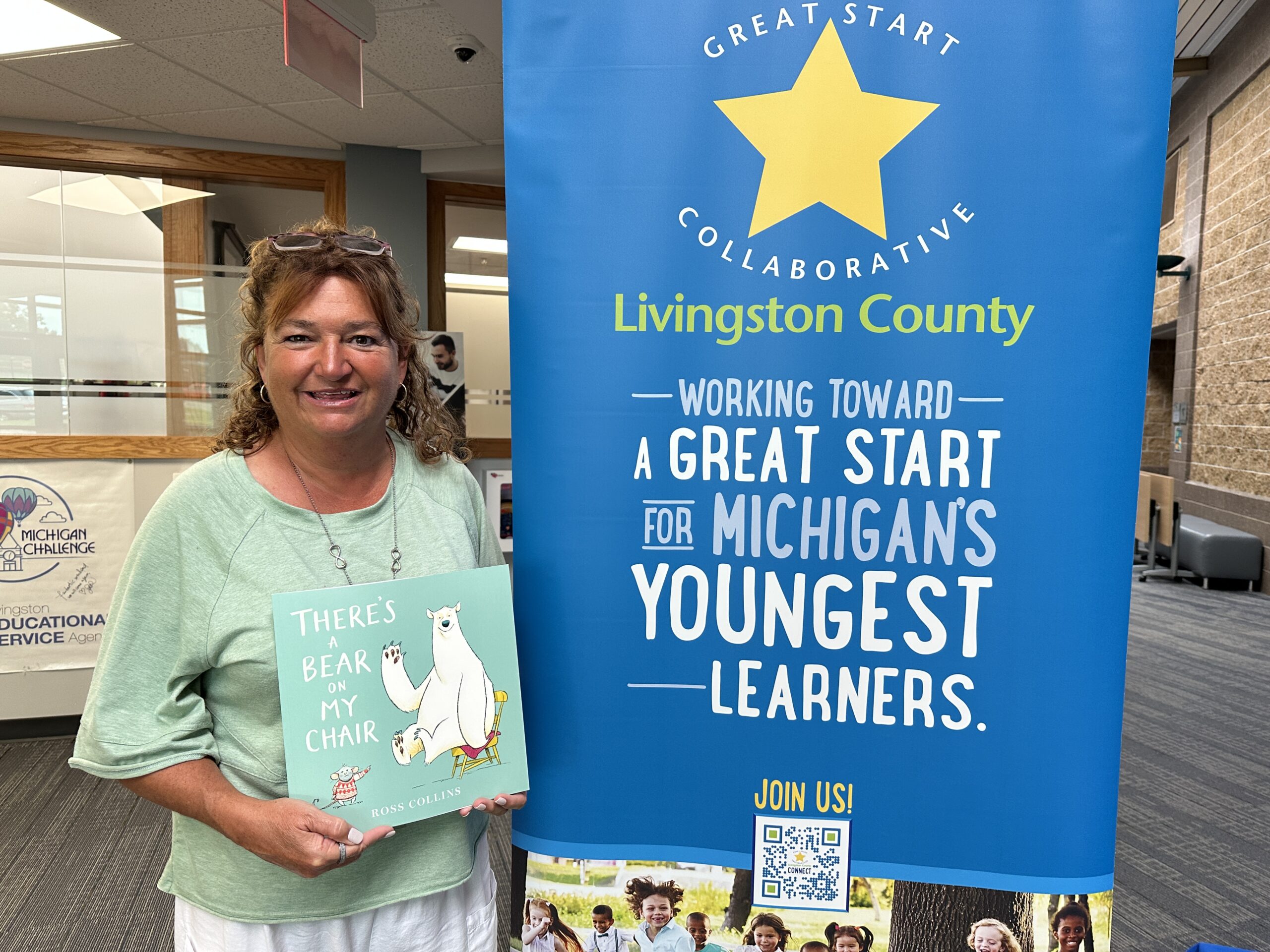
We are especially grateful to Lisa Pecorilli, our Early Literacy Coach, for helping welcome families and manage check-in for the evening.
From the Workshop to the Living Room
A presentation alone doesn’t teach a child to read.
But a parent might go home and read differently that night.
They might roar when the lion roars.
They might whisper when a character whispers.
They might stop and ask their child what they think will happen next.
They might find words that rhyme with cat while riding in the car.
They might clap the syllables in dinosaur.
They might put a child’s scribbled masterpiece on the refrigerator and encourage them to make another.
They might write a grocery list while a preschooler makes a list beside them.
They might pick up one of the four books they brought home and experience the story together.
Those can feel like small moments.
But early childhood is built from small moments.
Thank You to Our Community
We are grateful to Horacio Sanchez for returning to Livingston County and sharing his knowledge with our families.
Thank you to Howell Carnegie District Library for donating a children’s book and library bag for each participating family; Livingston County United Way and Hungry Howie’s for providing pizza certificates; La Finca for helping us provide a wonderful dinner; Lisa Pecorilli for helping welcome families at check-in; our wonderful childcare workers for helping make participation possible for parents; and all of the staff, volunteers and community partners who helped make the evening possible.
Most importantly, thank you to the parents and caregivers who chose to spend their evening learning with us.
Early Literacy & Developmental Support for Livingston County Families
If you’re raising a baby, toddler, preschooler or young child in Livingston County, you don’t have to figure everything out by yourself.
Great Start Livingston connects families with free activities, parent education, early literacy opportunities and community resources throughout Livingston County.
Explore Great Start Livingston
Have questions about your child’s development, want to complete a developmental screening, or aren’t sure where to find the right local resource? Help Me Grow Livingston can help connect you with developmental screenings and community resources.
Helping children become readers is something we do together — one relationship, one conversation, one story and one book at a time.